
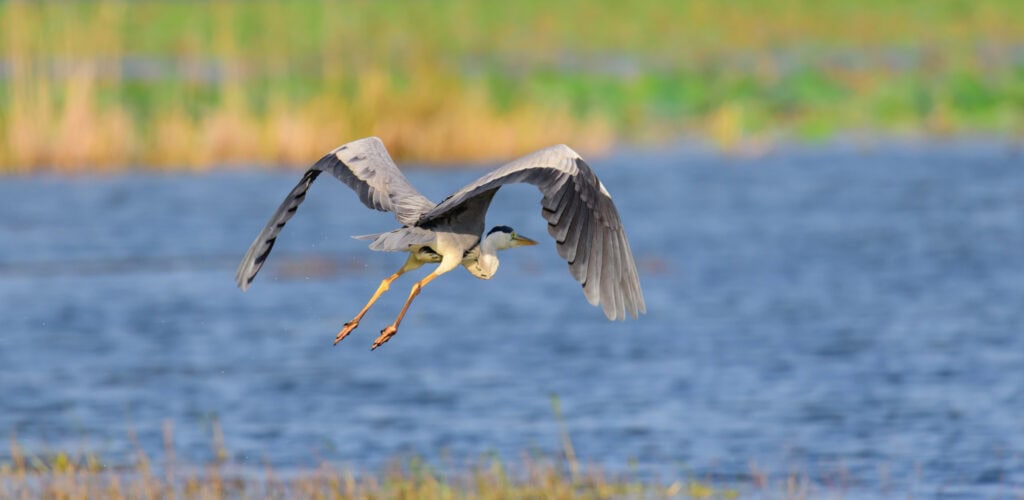
The Bayside area is a strong destination for birdwatching on the Texas Gulf Coast, with easy access to bay shorelines, tidal flats, marshes, and nearby wildlife areas. Guests at Coastal Cowboy RV Park can spot coastal birds along Copano Bay, watch for seasonal migration activity, and enjoy peaceful mornings with binoculars without planning a complicated day trip. From herons and pelicans near the water to migratory birds moving through the region in spring and fall, Bayside offers plenty of opportunities for beginners and experienced birders alike. Here is what makes the area special for birding, and where to start your search close to camp.
What Makes the Bayside Area Special for Birding?
Bayside sits along the western edge of Copano Bay, tucked inside a stretch of the Texas Gulf Coast that serves as a major stopover point along the Central Flyway, one of North America’s primary bird migration routes. That geography means the area hosts both year-round resident species and large waves of migratory birds moving through in spring and fall. Few places in Texas offer this kind of birding variety in such a compact area.
The mix of coastal habitats surrounding Bayside is what makes it so productive. Tidal flats, freshwater marshes, live oak mottes, and open bay shoreline all exist within a short drive of camp, and each habitat attracts a different set of species. Roseate spoonbills, great blue herons, and brown pelicans are among the birds regularly spotted in the area, and that is before you factor in the migratory species that pass through from March through May and again in the fall.
Aransas National Wildlife Refuge: 15 Minutes from Camp
Aransas National Wildlife Refuge is one of the most celebrated birding destinations in the United States, and it sits roughly 15 minutes from Coastal Cowboy RV Park. The refuge protects more than 115,000 acres of coastal habitat and is best known as the primary wintering ground for the whooping crane, one of North America’s rarest birds. Whooping cranes are typically present at Aransas from November through March.
Beyond whooping cranes, Aransas supports more than 400 documented bird species across its trails, observation towers, and shoreline drives. The refuge’s 16-mile Wildlife Drive is accessible by car and offers reliable sightings of reddish egrets, roseate spoonbills, and a variety of waterfowl depending on the season. The refuge is open year-round, though hours and access to specific areas can vary, so checking the U.S. Fish and Wildlife Service website before your visit is always a good idea.
Copano Bay Shoreline: Shorebirds, Herons, and Pelicans
The Copano Bay shoreline that wraps around Bayside is productive birding territory on its own, no refuge admission required. The shallow tidal flats along the bay attract wading birds throughout the year, with great blue herons, great egrets, and tricolored herons commonly visible from the shoreline and even from within the park itself. Brown pelicans are a near-constant presence along the bay, particularly in the warmer months.
Early morning is the most rewarding time to walk the shoreline. Birds are most active in the first two hours after sunrise, and the lower light makes for easier viewing with binoculars. The bay’s calm surface also tends to reflect well at that hour, which is worth keeping in mind if you plan to bring a camera. For more photography tips from a campsite perspective, the Coastal Cowboy post on coastal sunsets and RV photography is a helpful reference.
Roadside Birding Pulloffs Along TX-35
The stretch of TX-35 running through and around Bayside passes through some productive transitional habitat, and a handful of roadside pull-offs offer low-effort birdwatching for campers who want to explore without committing to a full trail. Marshy areas along the highway frequently hold species like black-necked stilts, roseate spoonbills, and various species of egrets foraging in the shallow water. These spots reward slow driving and a patient eye more than a long hike.
It is worth noting that roadside wildlife areas bring you closer to traffic, so pulling fully off the road and staying alert is important. The same general awareness that applies to wildlife encounters at camp applies here. For a fuller picture of staying safe around coastal wildlife during your RV trip, the Coastal Cowboy guide on wildlife safety while RV camping covers the key points.
Best Seasons and Times of Day
The Texas Gulf Coast offers year-round birding, but spring migration, roughly late March through mid-May, is the most spectacular window. Neotropical songbirds crossing the Gulf of Mexico make landfall along the Texas coast after an overnight flight, and on the right morning following a weather front, coastal live oaks can be filled with dozens of exhausted warblers, tanagers, and orioles resting before continuing north. Fall migration runs from August through October and offers a second, somewhat quieter wave of southbound birds.
Winter is the season for shorebirds, waterfowl, and the whooping cranes at Aransas. Summer is quieter in terms of migration but still productive for resident species, including nesting herons and egrets at nearby rookeries. For pure variety and spectacle, booking your stay in April or early May puts you in the best position. Early morning, within the first two hours after sunrise, is consistently the most active time of day, regardless of season.
What to Pack for a Half-Day Birding Trip
A half-day birding trip from Coastal Cowboy does not require specialized gear to be enjoyable. A pair of binoculars rated 8×42 is the standard recommendation for general birdwatching because that combination of magnification and lens size works well in both open water and shaded woodland situations. A basic field guide specific to Texas or the Gulf Coast will help with identification and add to the experience.
Comfortable walking shoes, water, and sun protection are the practical essentials, since most of the birding spots near Bayside involve open, exposed terrain with limited shade. A small notebook for jotting down sightings is optional but useful if you are starting a life list. Getting out early means cooler temperatures and more active birds, so planning to be at your first stop by or shortly after sunrise is worth the early alarm.
Get Out There Before the Season Heats Up
Spring migration is already underway, and the birding around Bayside is as good right now as it gets all year. Explore everything within reach of Coastal Cowboy RV Park, from the Aransas refuge to the Copano Bay shoreline, and book your Bayside stay through our website.
Frequently Asked Questions
When is the best time of year to birdwatch near Bayside?
Late March through mid-May is the peak of spring migration and the most rewarding window for variety. Winter brings whooping cranes to Aransas, and fall migration offers a second wave from August through October.
Do I need binoculars to enjoy birding here?
Binoculars are not required, but they make a significant difference. An 8×42 pair covers most situations well and is a worthwhile investment if you plan to birdwatch regularly.
Are there guided birding tours nearby?
Guided tours operate in and around the Aransas National Wildlife Refuge area, including boat tours that access crane habitat on the bay. Checking with the refuge visitor center is the best way to find current tour options.
Is the Aransas National Wildlife Refuge open year-round?
Yes, Aransas National Wildlife Refuge is open year-round. Hours and access to specific areas can vary by season, so checking the U.S. Fish and Wildlife Service website before your visit is recommended.