
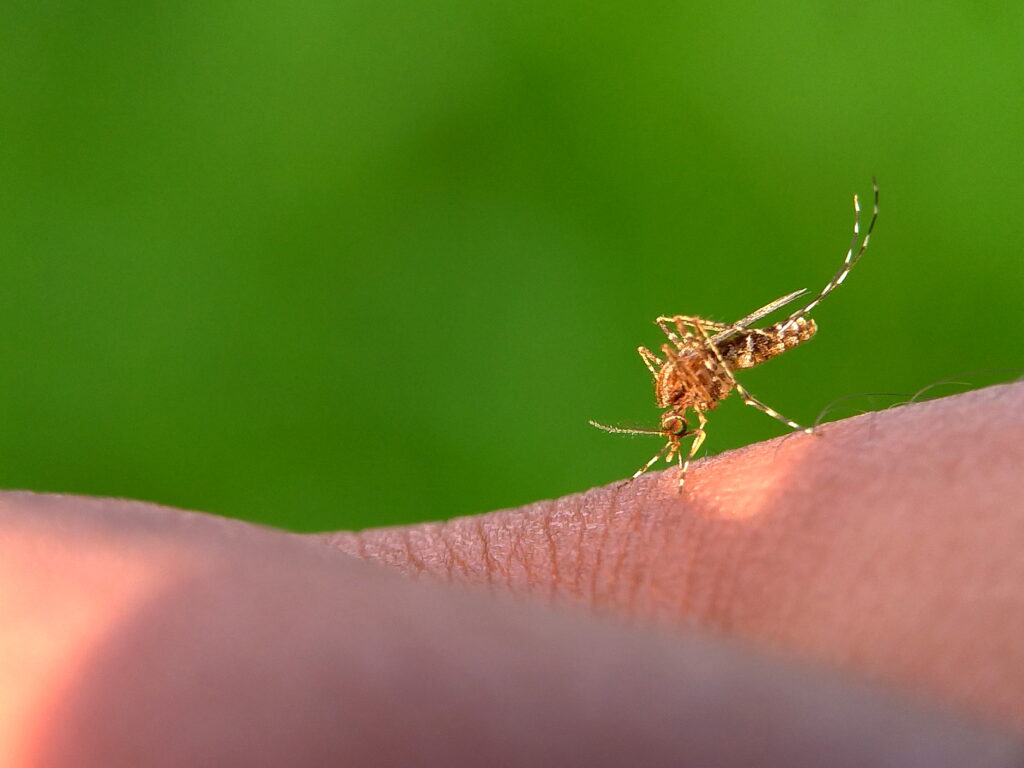
Breezy coastal evenings are one of the biggest perks of RV life, until the bugs show up. Mosquitoes and sand flies are small but mighty nuisances, especially near water. Whether you’re cooking dinner under your awning or enjoying a peaceful night by the fire, you deserve to do it without the constant buzz and bites. The good news is, with the right strategy, you can keep your outdoor space bug-free and enjoyable.
Understanding the Enemy: Mosquitoes vs. Sand Flies
First, know what you’re dealing with. Mosquitoes are more familiar and often more noticeable. They’re drawn to body heat and carbon dioxide and can breed in even the smallest amount of standing water. A few drops in a forgotten bucket or planter tray can become a mosquito nursery in no time. Their bites are itchy, and depending on the region, they can carry diseases, another reason to take prevention seriously.
Sand flies are smaller and harder to see, but their bite packs a punch. These pests love warm, humid areas and are most active around dawn and dusk. They often sneak up around ankles or lower legs, and their bites can become irritated quickly. While less talked about than mosquitoes, they’re just as capable of ruining an otherwise relaxing evening. Knowing how both behave helps you target your defenses more effectively.
Choosing the Right Repellents: Natural and Effective
When it comes to repelling bugs, not all sprays are created equal. The most effective products often contain DEET, picaridin, or oil of lemon eucalyptus. These ingredients provide strong protection and are safe for adults when used correctly. For those looking for more natural options, essential oil-based sprays made with citronella, lavender, or peppermint can offer a gentler alternative, though they may need to be reapplied more frequently.
Always apply repellent to exposed skin and clothing, especially around ankles, wrists, and neck, areas bugs love to target. If you’re spraying pets or children, choose products specifically labeled for their age and species. In any case, test a small area first to make sure there’s no irritation. With the right repellent, you can enjoy the outdoors without becoming the main course.
Screens, Netting, and Awning Barriers
One of the simplest and most effective ways to keep bugs at bay is to set up a screened outdoor space. Many RVers use awning screen rooms or attachable mesh panels to turn their patio into a protected bug-free zone. These add-ons create a breezy, shaded space for dining or relaxing without constant swatting and itching.
Magnetic screen doors for RV entries are another smart investment. They close behind you automatically and keep bugs from sneaking in every time someone opens the door. If you’re using windows for ventilation, be sure your screens are intact with no tears or gaps. Even a coin-sized hole is enough to let a dozen bugs through. At Coastal Cowboy RV Park, we see guests enjoying screen rooms all the time, and it makes a noticeable difference in their comfort level.
Eliminate Breeding Grounds Around Your Site
The best bug control starts with prevention. Mosquitoes need standing water to breed, so it’s important to inspect your site regularly. Empty out water from buckets, plant saucers, coolers, and any containers collecting rainwater. Check the underside of awnings and tarps after a storm; puddles can hide in folds and corners.
If you’re using decorative lights or gear with built-in solar panels, make sure they don’t collect water at the base. Keep grass trimmed and avoid letting piles of leaves or damp towels sit for long periods. Bugs love moist, shady areas, so keeping things clean and dry will reduce their hiding spots and cut down on the population near your rig.
Campfire Tricks and Natural Deterrents
A good campfire does more than provide ambiance; it also helps repel bugs. The smoke naturally discourages mosquitoes and other flying insects, especially when you toss in a few herbs. Burning rosemary, sage, or thyme over the flames adds a fragrant, bug-repelling effect that enhances the atmosphere.
Citronella candles and torches are also solid choices, though they’re more effective when placed strategically around your gathering area. Instead of lighting one candle on the table, surround your seating space with a few evenly spaced sources. Combined with fans or screened barriers, these natural deterrents add layers of protection that work together.
Protecting Pets from Bites
Your four-legged travel companions need protection, too. Dogs and cats can suffer from mosquito bites and may be at risk of mosquito-borne diseases, such as heartworm. Apply a vet-approved repellent or flea and tick medication that includes mosquito protection. Avoid human sprays; many are toxic to pets and can cause serious health issues.
Make sure pets sleep inside the RV at night or in screened areas if they’re staying outdoors briefly. Keep bedding clean and dry, and check their ears and bellies for signs of bites or irritation. With a few precautions, your pets can enjoy RV life as much as you do, without the discomfort of bug bites.
Long-Term Comfort Starts with Smart Prevention
For guests spending a season on the Texas Gulf Coast, long-term bug control is a must. Create habits like spraying repellent before sunset, checking for standing water after rain, and refreshing your citronella supplies weekly. Over time, these small steps make a big difference in your overall comfort and peace of mind.
Many long-stay RVers also invest in small fans for their patios. Even a gentle breeze from a clip-on fan is enough to keep most flying insects away. Combined with smart screening and consistent clean-up, you’ll enjoy your outdoor space without constantly swatting at unwanted guests.
Contact Us Today!
Experience the comfort, community, and coastal charm of the Texas Gulf Coast. Whether you choose Coastal Cowboy RV Park, Redfish Bay RV Park, or Sunrise RV Resort, you’ll find the perfect place to relax, recharge, and feel at home from the moment you arrive.