
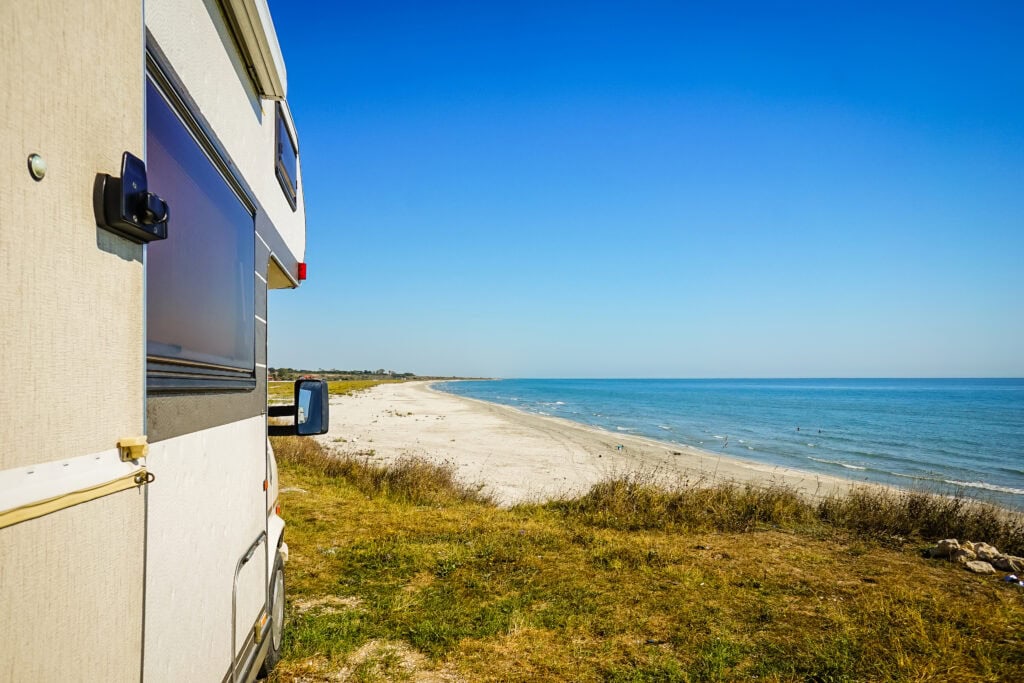
RVing near the coast offers unbeatable views, breezy weather, and a laid-back lifestyle, but that salty air you love so much? It’s tough on your rig. Salt in the air accelerates oxidation and corrosion, affecting everything from your paint job and undercarriage to door hinges, slide-outs, and electrical connections. That doesn’t mean you need to avoid the beach; it just means you need the right maintenance plan to enjoy it without rust.
Why Salt-Air Accelerates Corrosion
Salt particles are incredibly fine and can travel miles inland from the shoreline. Once airborne, they settle on surfaces and draw in moisture from the air. That combination of salt and humidity creates the perfect environment for corrosion. Even if you can’t see it right away, that damage starts small, under paint, inside seams, and around any exposed metal.
Aluminum, steel, chrome, and electrical connections are all vulnerable. Left unchecked, salt corrosion can lead to pitting, discoloration, peeling paint, and weakened structural components. RVers who stay long-term by the water must be extra diligent to prevent salt from breaking down the very systems that keep them safe and mobile.
Wash Regularly: Rinse the Salt Away
The first and most important defense against corrosion is regular washing. A simple rinse every week or two helps prevent salt from building up on your exterior. Use a soft-bristle brush and a gentle RV wash soap, something specifically formulated to lift dirt and salt without stripping wax or damaging finishes.
Start from the roof and work your way down. Salt doesn’t just settle on the sides of your RV; it collects on solar panels, air conditioners, and roof seams as well. Don’t forget to spray out wheel wells, undercarriages, and steps where moisture tends to collect. If you’re staying at Coastal Cowboy RV Park for an extended time, plan a regular wash schedule as part of your monthly maintenance. It’s the easiest way to stay ahead of the rust.
Wax for Long-Term Protection
Once your rig is clean, applying wax provides a protective barrier that makes it harder for salt and grime to stick to your surfaces. Wax also helps protect your RV’s paint and decals from fading under the intense Texas sun. Choose a high-quality automotive or RV-specific wax and apply it every three to six months, depending on conditions.
Spray waxes can be a fast, effective way to maintain that protection between deep wax applications. They’re easy to apply after a wash and add a water-repellent layer that keeps salt from bonding to your finish. Just make sure your RV is fully dry before you apply anything, and always use clean microfiber towels to avoid scratching the surface.
Don’t Ignore the Undercarriage
The undercarriage is one of the most overlooked parts of RV maintenance, and one of the most vulnerable. Salt can settle in your wheel wells, brake lines, suspension components, and hitch area. Over time, corrosion in these areas can lead to serious safety issues and expensive repairs.
Use a long-reach sprayer or pressure washer to rinse the undercarriage thoroughly. Pay close attention to areas where road grime and salt splash up. If you’re staying long-term, consider applying a rust-inhibitor or undercarriage protectant spray after cleaning. These products create a moisture-resistant coating that prevents salt from reaching exposed metal.
Hardware and Hinges Need Love Too
Anything that moves, hinges, steps, latches, slide-out rails, and awning arms is at risk in coastal environments. These small components are made of metal, and many of them aren’t coated for long-term exposure to salt air. Regularly inspect your hardware and lubricate moving parts with a dry lube or silicone-based product that repels moisture without attracting dirt.
Avoid using traditional oil-based sprays like WD-40 in these areas, as they can attract dust and grime. Instead, opt for marine-grade products designed to perform in damp or salty conditions. A quick spray once a month keeps things gliding smoothly and extends the life of your components.
Don’t Overlook Electrical Connections
Salt doesn’t stop at cosmetic damage; it can find its way into your power cord, outlet connections, battery terminals, and solar ports. Corrosion in these areas leads to power interruptions, battery drain, and possible fire hazards. Check your electrical components regularly, especially if you see discoloration or greenish residue around your connectors.
Use dielectric grease on your plug ends and battery terminals to block moisture and salt from getting in. This creates a non-conductive seal that protects your wiring and reduces oxidation. For extra protection, consider weatherproof covers for your exterior outlets and surge protectors.
Stay Ahead of the Damage
Salt corrosion is sneaky; it starts out invisible and builds over time. The key to beating it is routine. A monthly maintenance habit focused on washing, waxing, and inspecting hardware can save you thousands in repairs and keep your rig looking and functioning like new.
Keep a checklist of your maintenance tasks and set calendar reminders so they don’t get overlooked. Even if you love the laid-back pace of coastal life, your RV deserves your attention and care to keep up with the elements.
Enjoy the Coast Without the Cost
At Coastal Cowboy RV Park, we want your stay to be memorable for the right reasons, not for surprise rust or electrical issues. Our guests enjoy the best of the Texas Gulf Coast, and with a little routine care, your RV can thrive right alongside you. Embrace the salt air, the sunsets, and the sea breeze; just don’t forget to rinse, wax, and protect.
Contact Us Today!
Experience the comfort, community, and coastal charm of the Texas Gulf Coast. Whether you choose Coastal Cowboy RV Park, Redfish Bay RV Park, or Sunrise RV Resort, you’ll find the perfect place to relax, recharge, and feel at home from the moment you arrive.